


A cinematic branded film for Quorn exploring the origins of life and the future of food through the science and potential of mycoprotein.
Quorn | Food Fod Our Future

ABOUT
LOCATION: Studio
Food For Our Future is a cinematic branded film created for Quorn, created to educate audiences on the health, environmental, and ethical benefits of mycoprotein, by grounding it within the wider story of human and planetary evolution.
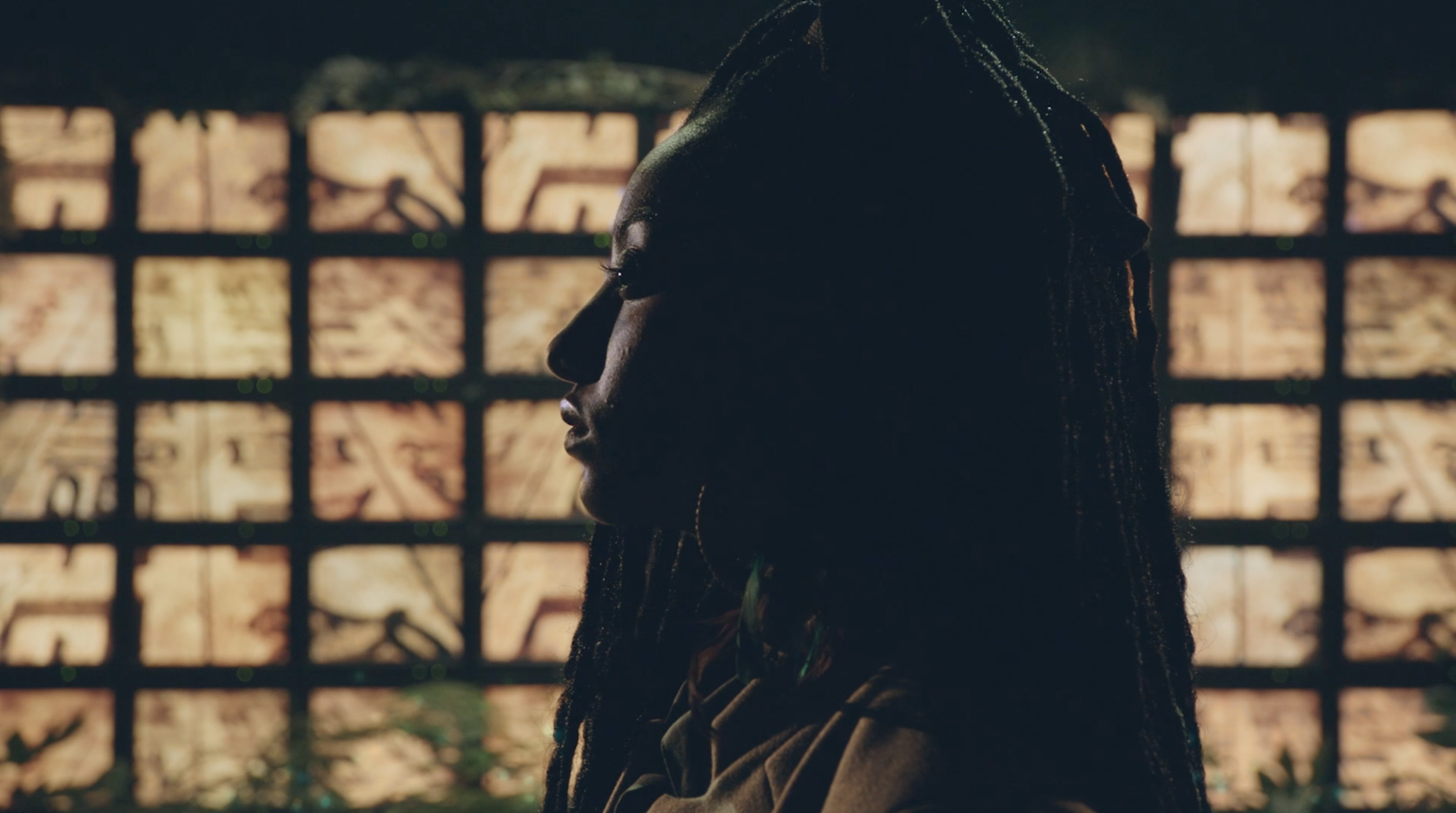
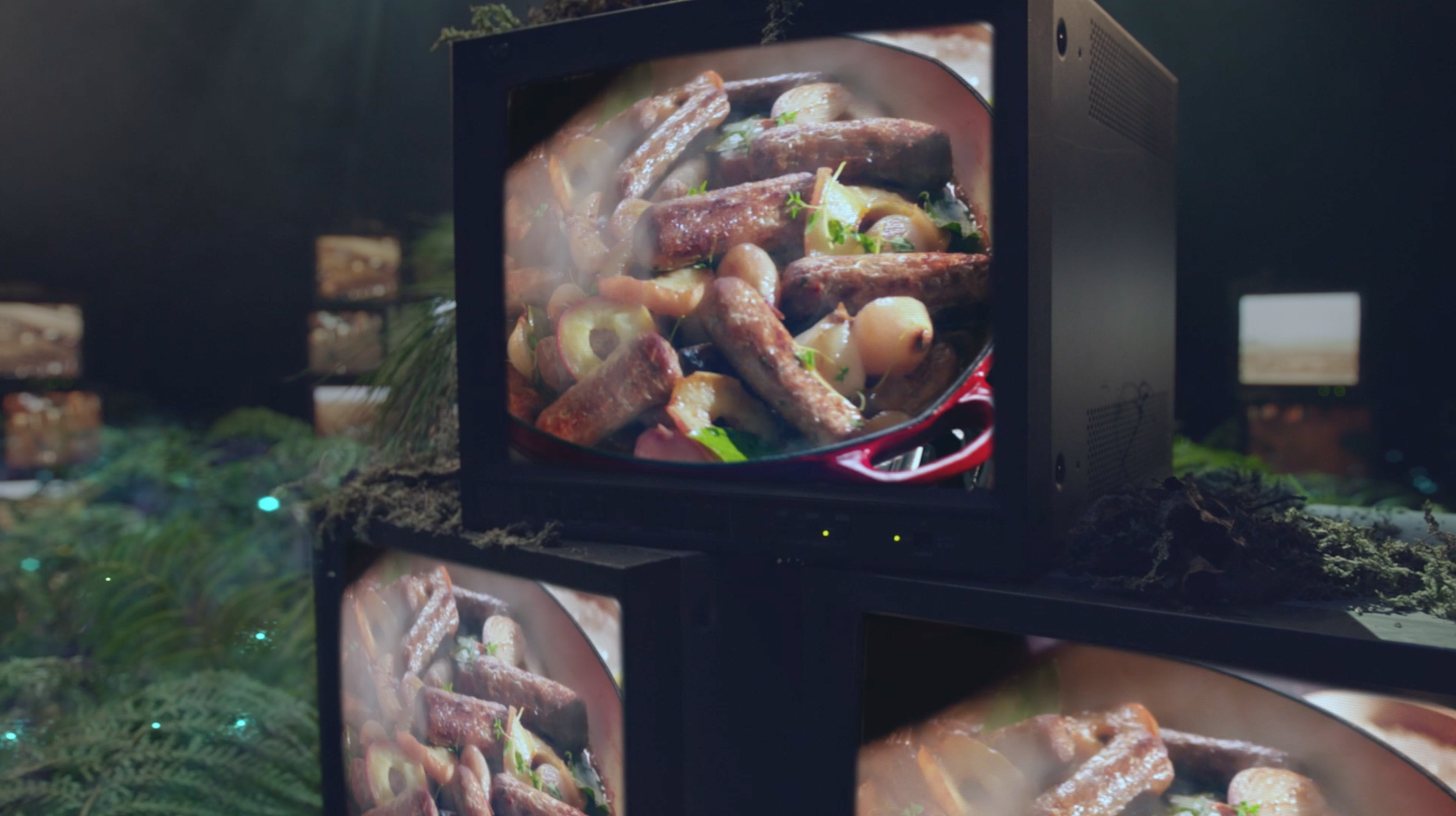
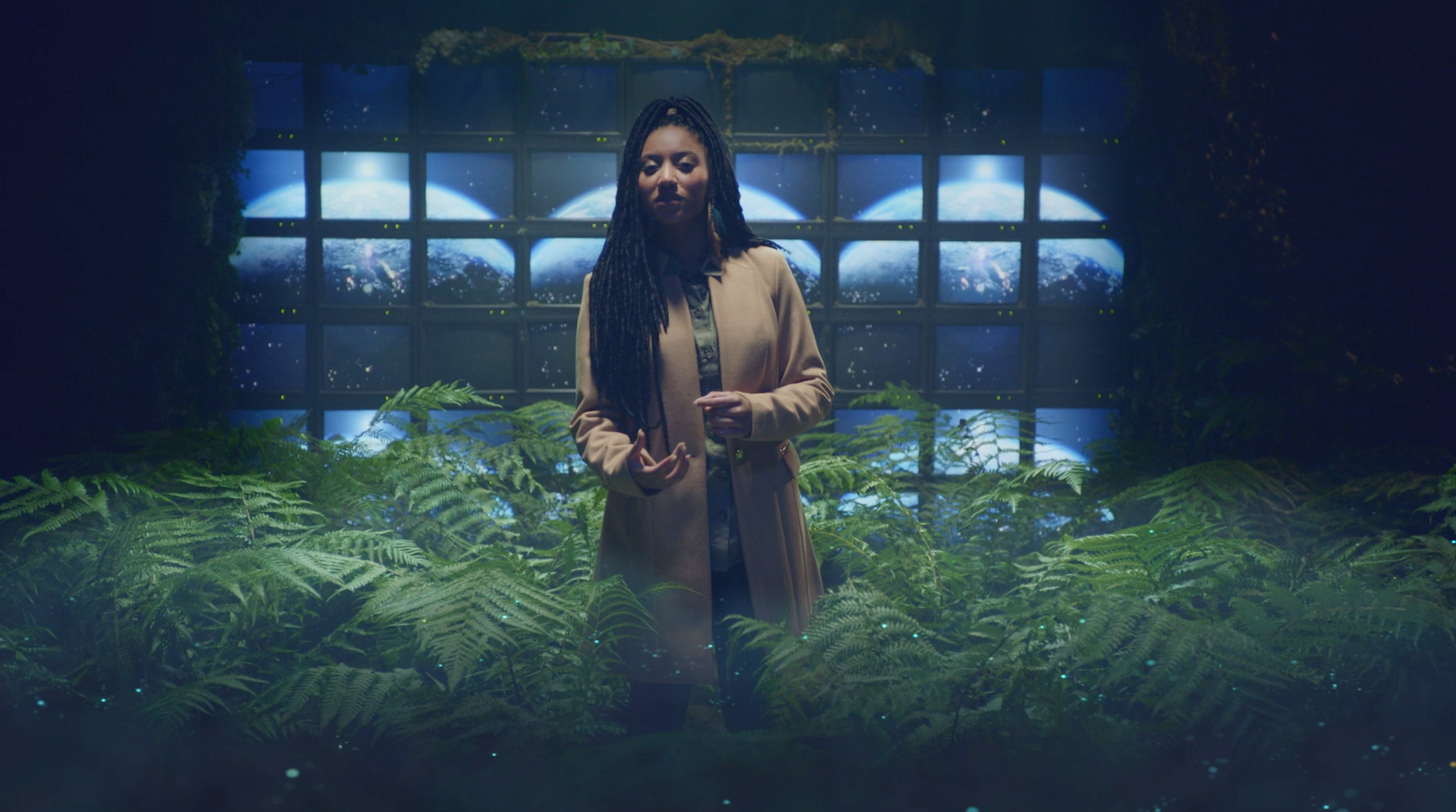
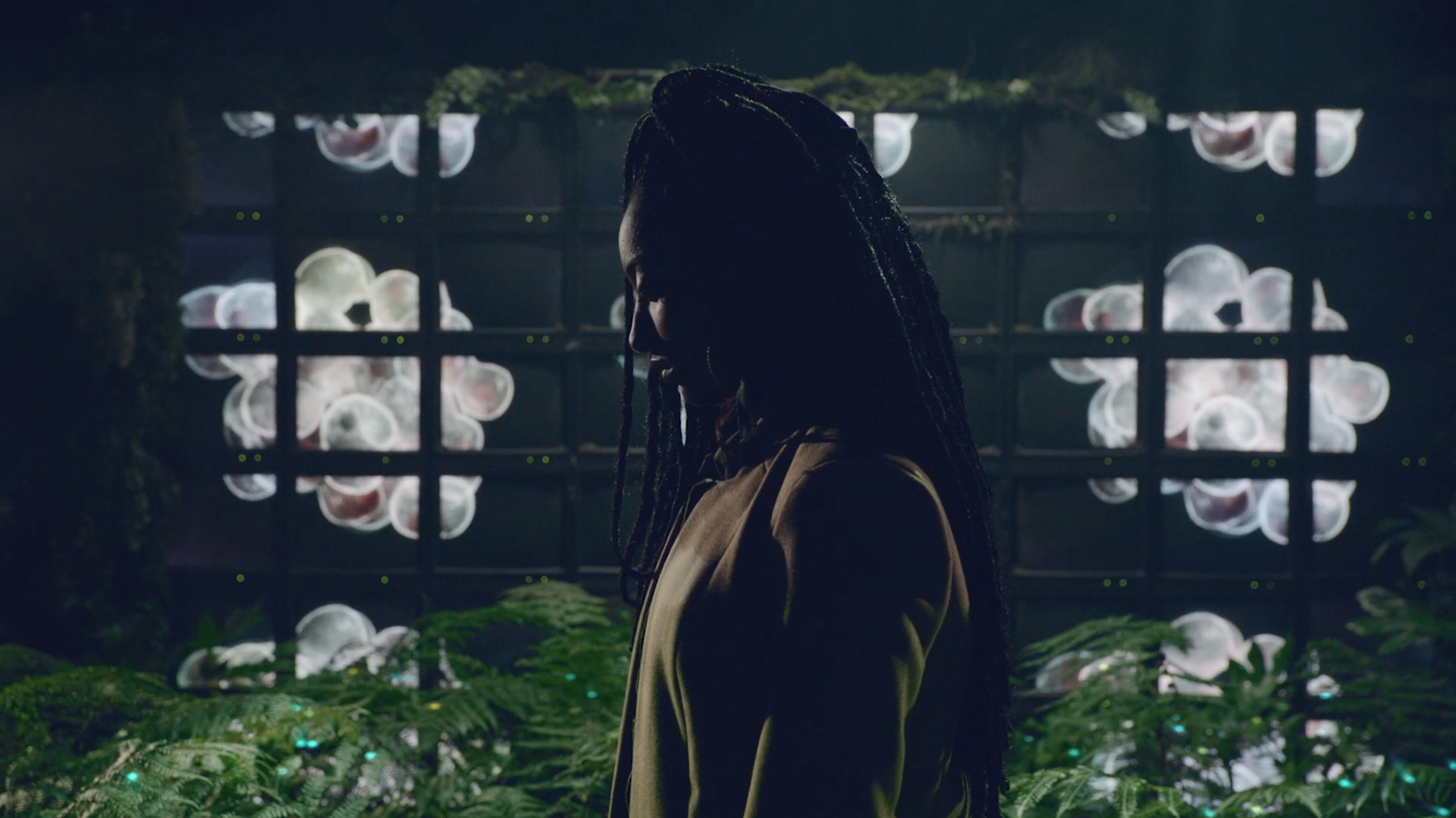
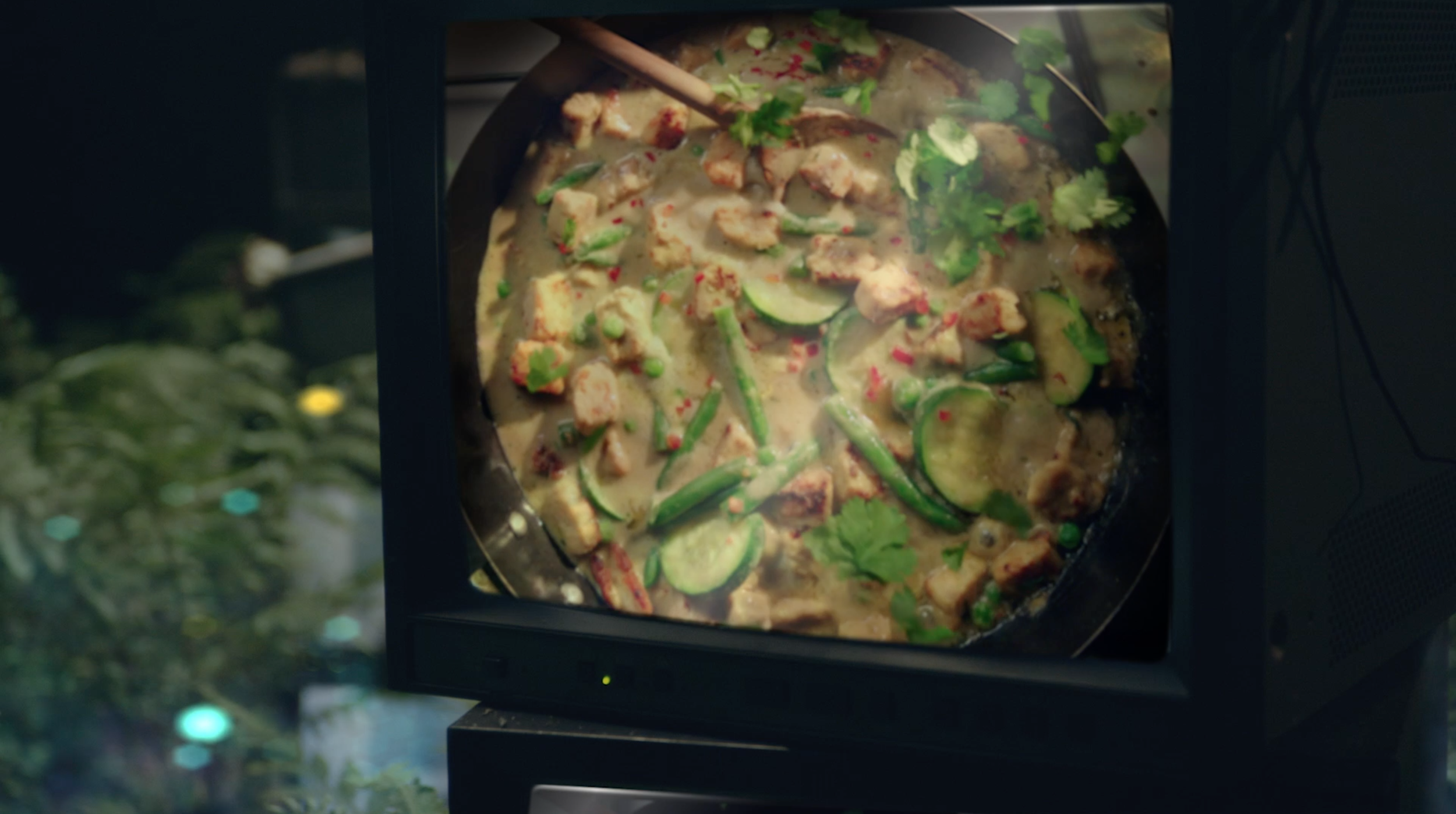
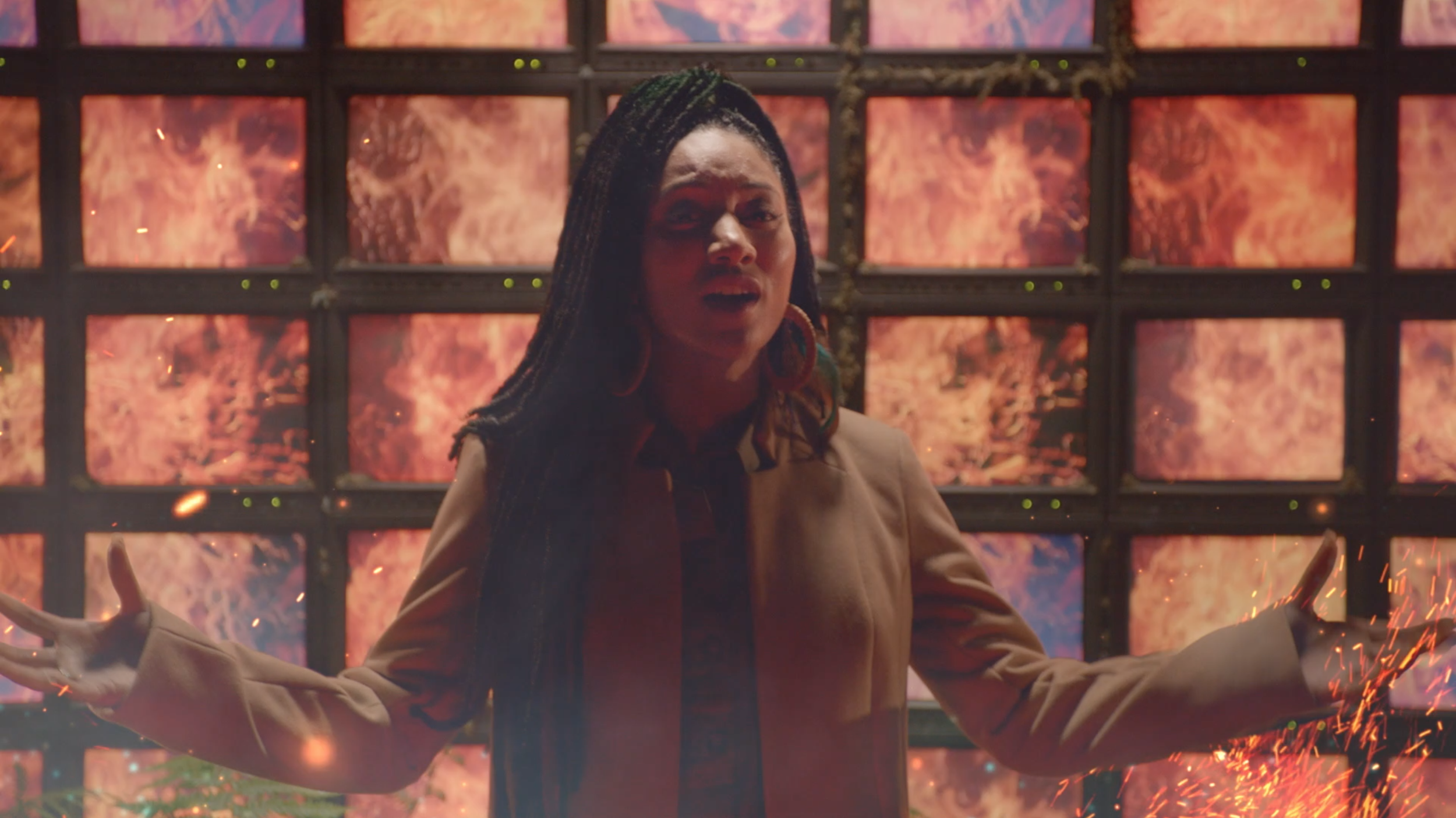
Set within a dark, abstract world where nature and technology intertwine, the film unfolds across a landscape of overgrown CCTV monitors emerging from tropical vegetation; a visual connection between past, present, and future.
This environment becomes a stage for a poetic exploration of life itself, tracing a line from the earliest micro-organisms to the modern challenges facing our planet.
The narrative is led by poet and spoken word artist Sophia Thakur, whose voice brings weight, clarity, and emotional depth to a subject rooted in science. Her performance bridges the gap between information and feeling, allowing complex ideas to resonate on a human level.
Blending cinematic imagery with a stylised, atmospheric approach, the film combines electronic sound design with a sense of mysticism; creating a tone that feels both ancient and forward-looking.
The result is a piece that positions mycoprotein not just as an alternative, but as part of a much longer, largely forgotten relationship between humans and the natural world.
Produced by The Gate Films, the film reached an audience of over 10 million views online, demonstrating the potential for story-led branded content to engage audiences at scale while communicating complex ideas with clarity and impact.

Personal Reflection
This project started with a challenge that felt both simple and complex—how do you make something as specific as mycoprotein feel meaningful to a wide audience?
The answer, for me, wasn’t to start with the product, but to step back and look at the bigger picture. To understand where it sits within the story of life itself. That meant going deep into the science, but also into the history of how humans have related to food, nature, and the systems that sustain us.
What became clear quite quickly was that this wasn’t just a story about a food source—it was about reconnection. About rediscovering something that had always been there, but had been overlooked or forgotten.
From a creative point of view, I wanted the film to feel like it existed outside of time. Not rooted in a specific place, but somewhere more abstract—where past, present, and future could coexist. The visual world grew out of that idea. Something organic, overgrown, slightly surreal. A space where nature is reclaiming technology, rather than the other way around.
Working with Sophia brought a huge amount to the film. Her ability to hold weight and nuance within language allowed us to communicate complex ideas without losing a sense of feeling. It never became overly explanatory—it stayed human.
What I took from this project was a reminder that even within commercial work, there’s always an opportunity to say something bigger. To move beyond surface-level messaging and create something that invites people to think, or feel, in a different way.
If the film does anything, I hope it shifts perspective slightly—away from seeing solutions as new inventions, and more toward recognising them as rediscoveries of something much older.