
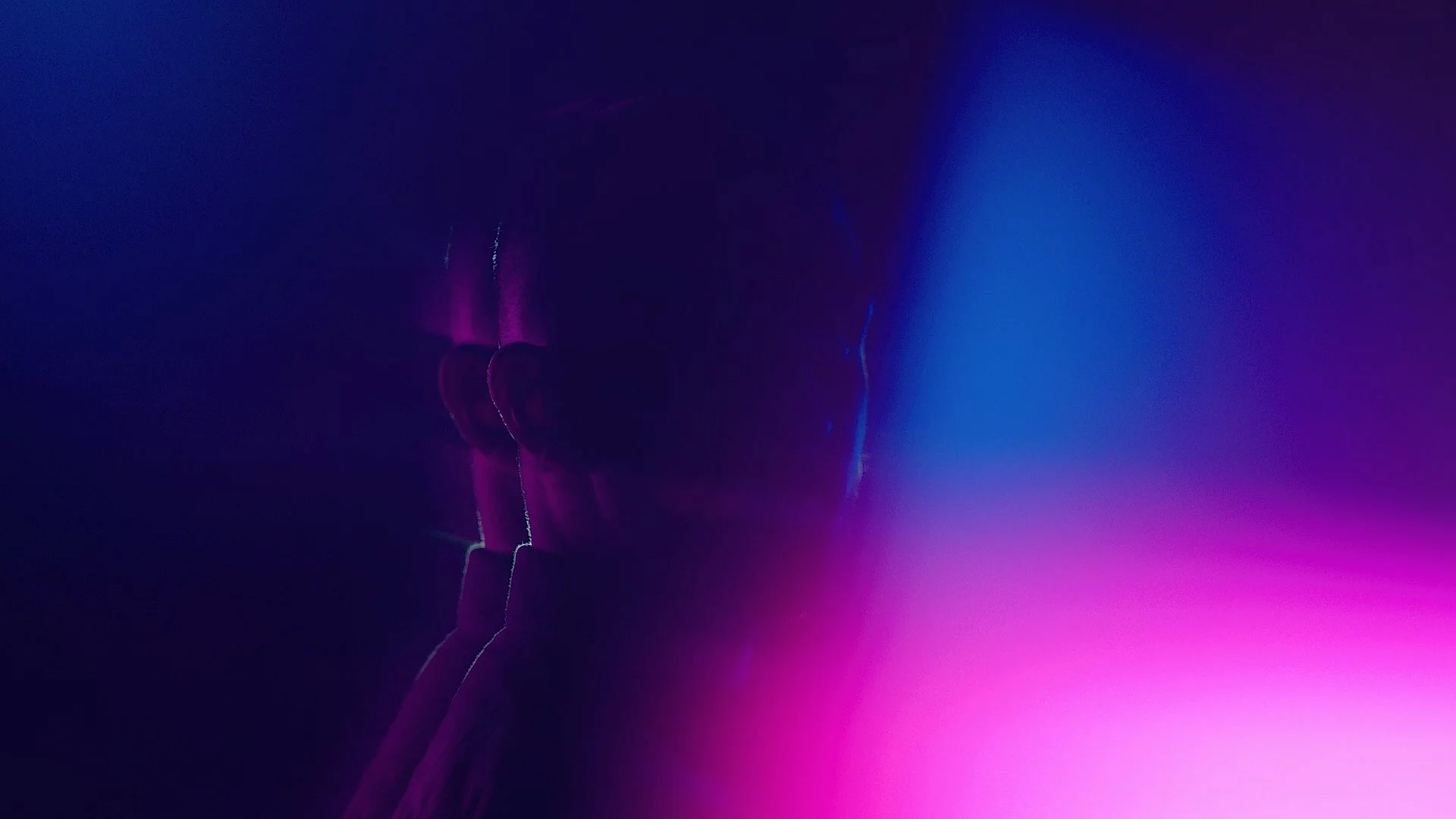
A human-centred documentary exploring aphantasia — a neurological condition that challenges how people remember, and emotionally experience the world.
Out Of Mind




ABOUT
LOCATION: United Kingdom
Out Of Mind is a short documentary created in collaboration with WIRED, exploring aphantasia—a neurological condition where the mind is unable to visualise images.
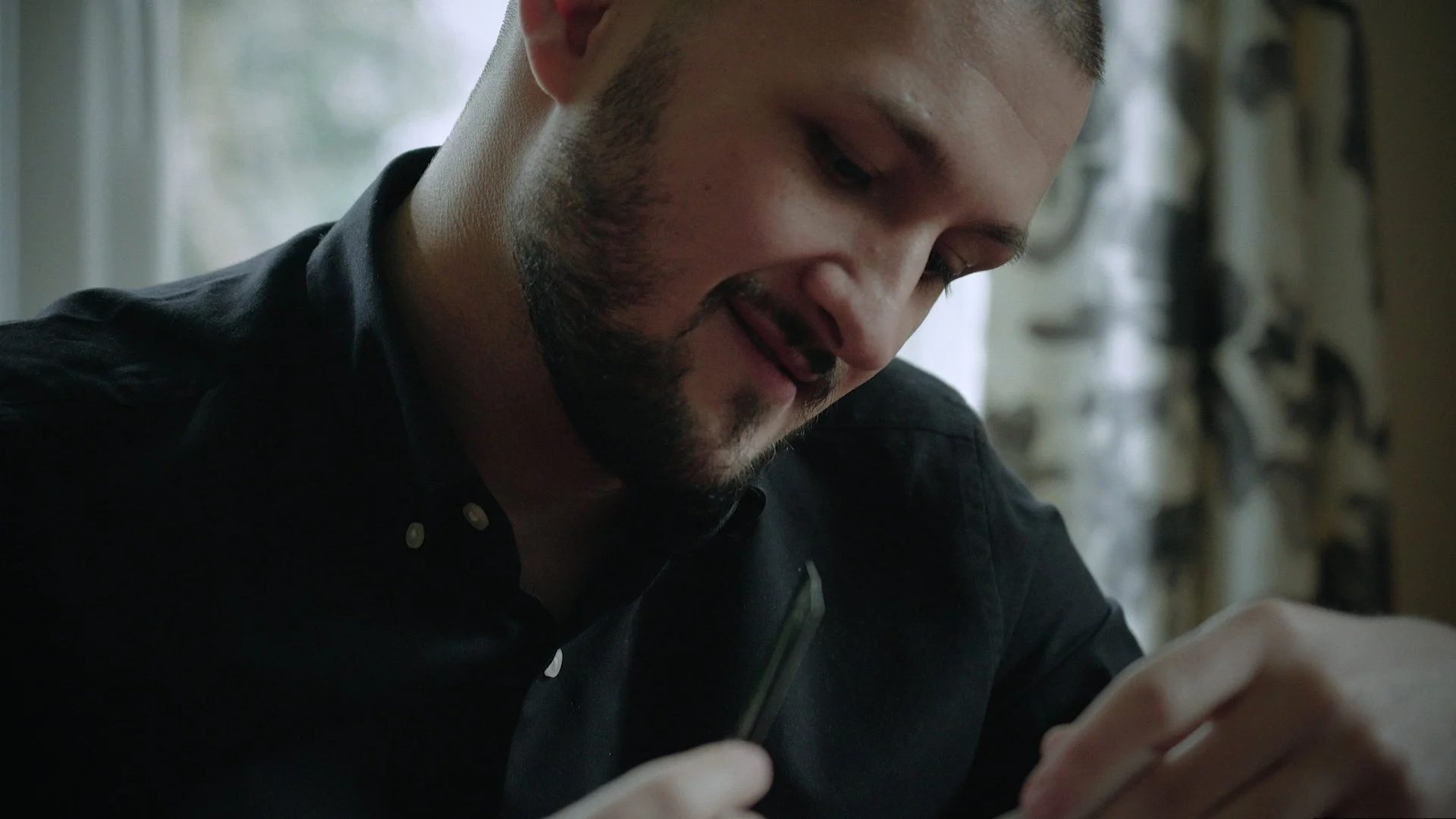
The film follows Alex Wheeler, whose experience of moving through grief after the loss of his mother leads him to question how he processes memory and emotion. His journey of self-discovery becomes the emotional backbone of the film, offering a deeply personal entry point into a complex, little-known and often misunderstood condition.
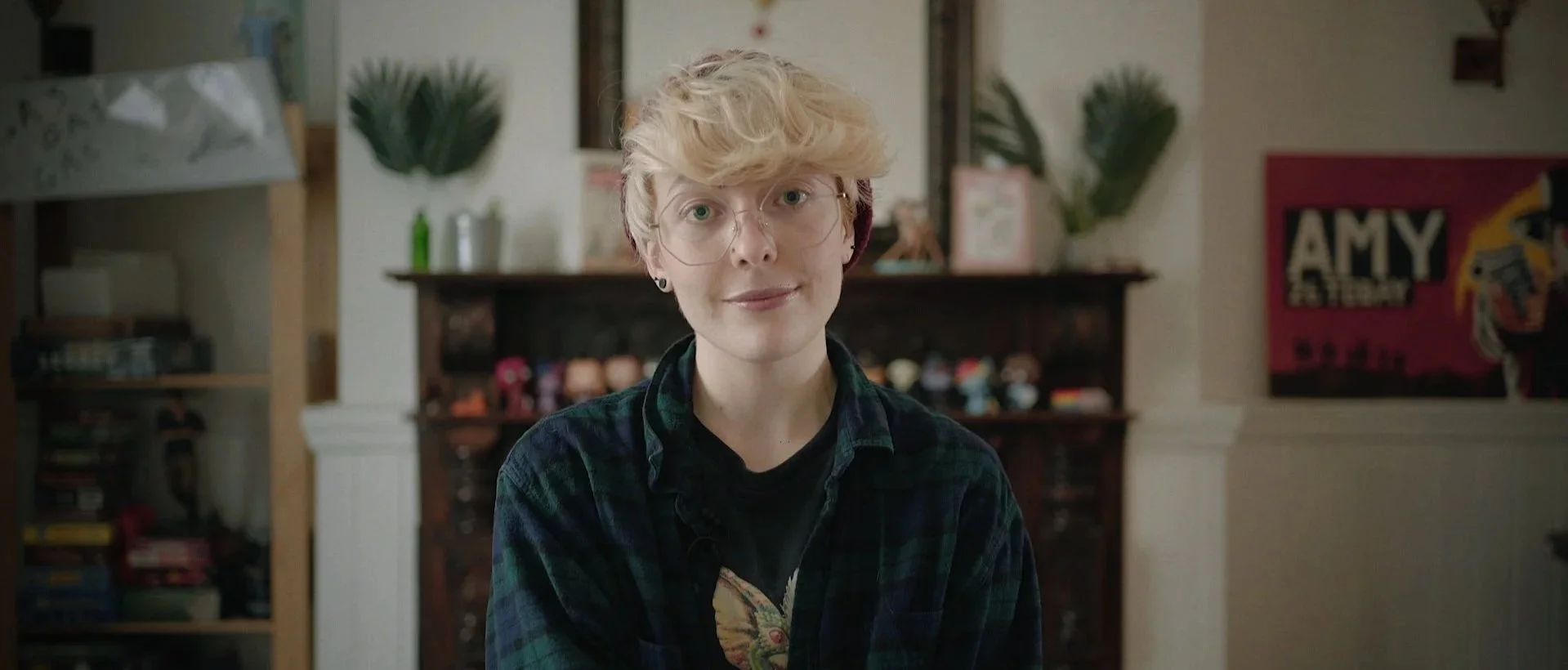
Alongside Alex’s story, the film brings together perspectives from leading neuroscientist Adam Zeman and artist Amy Right, whose lived experience of aphantasia offers a contrasting perspective—one shaped by long-term understanding rather than recent discovery.
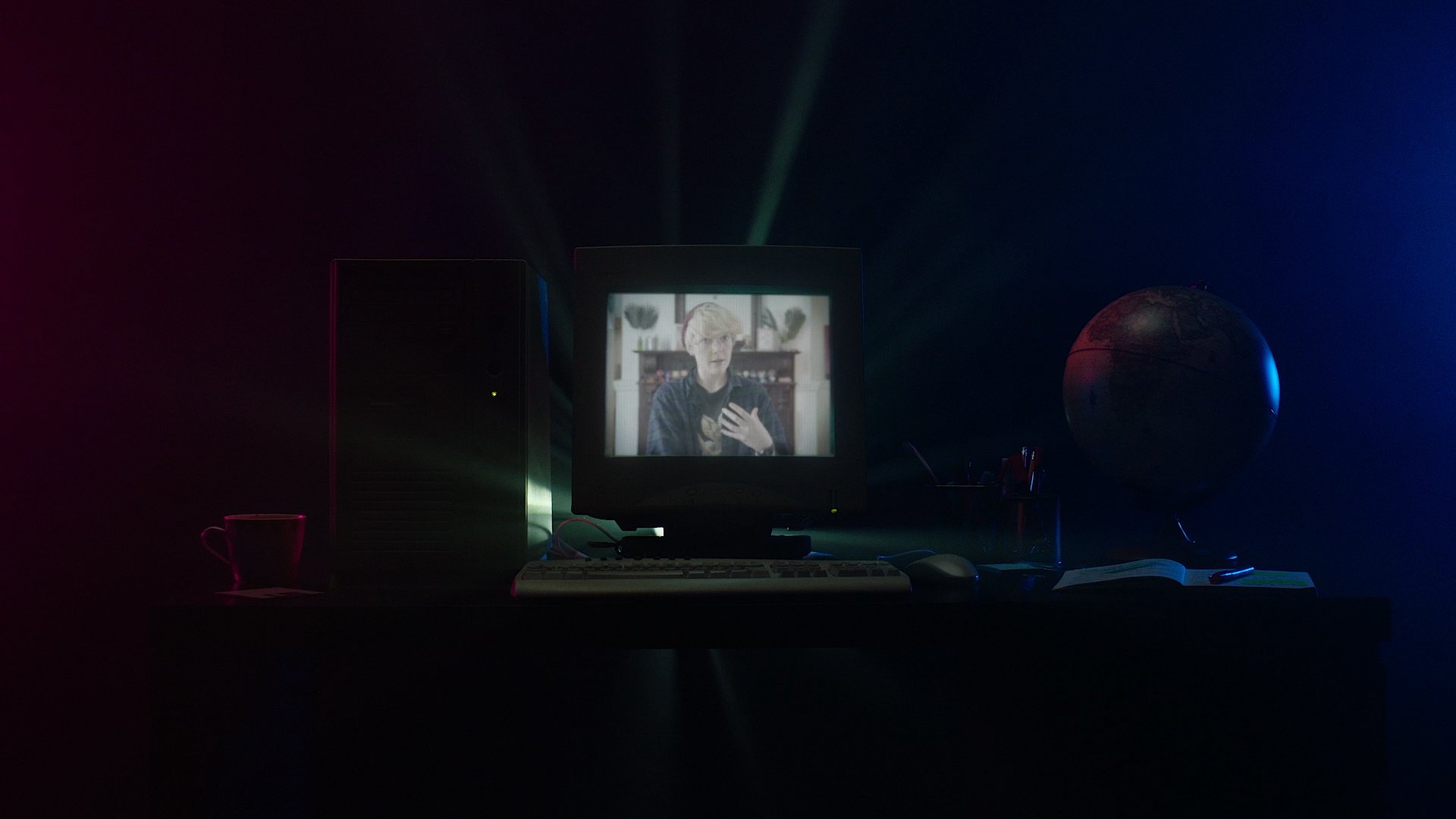
Blending observational documentary with stylised cinematic sequences and animation, Out Of Mind seeks to visualise the invisible—translating abstract internal experiences into something tangible and emotionally resonant.
At its core, the film is not just about aphantasia, but about neurodiversity more broadly—questioning how differently we experience the world, and what that means for memory, identity, and human connection.


“We all, of course, take our own experience to be ‘the norm’. Aphantasia reminds us that there are major invisible differences between peoples inner-lives.”

PERSONAL REFLECTION
When this project first came to me, I had never heard of aphantasia. Like most people, I assumed that the way I experienced memory and imagination was more-or-less universal.
What drew me in wasn’t just the science—it was the human implications. How something so fundamental, like the ability to picture a memory, could shape the way someone experiences grief, relationships, and their sense of self.
From the beginning, it felt important that this didn’t become a film about simply explaining a condition, but about understanding people. The science needed to be there, but only in service of something more human. Alex’s story gave us a way into that—something grounded, emotional, and relatable, even within a very unfamiliar subject.
The way we made the film reflected that intention. Much of it was shot alone, in a stripped-back, observational way, which naturally created a level of intimacy that would have been difficult to achieve otherwise. At the same time, we introduced more controlled, cinematic elements to help visualise what can’t be seen—the internal, abstract nature of the mind.
Directing Out Of Mind changed how I think about both filmmaking and people. It reminded me that the way we each experience the world is far less fixed than we assume. That difference isn’t something to correct—it’s something to understand.
If the film does anything, I hope it helps people feel a little less alone in how their mind works, and a little more open to how others experience the world differently.