
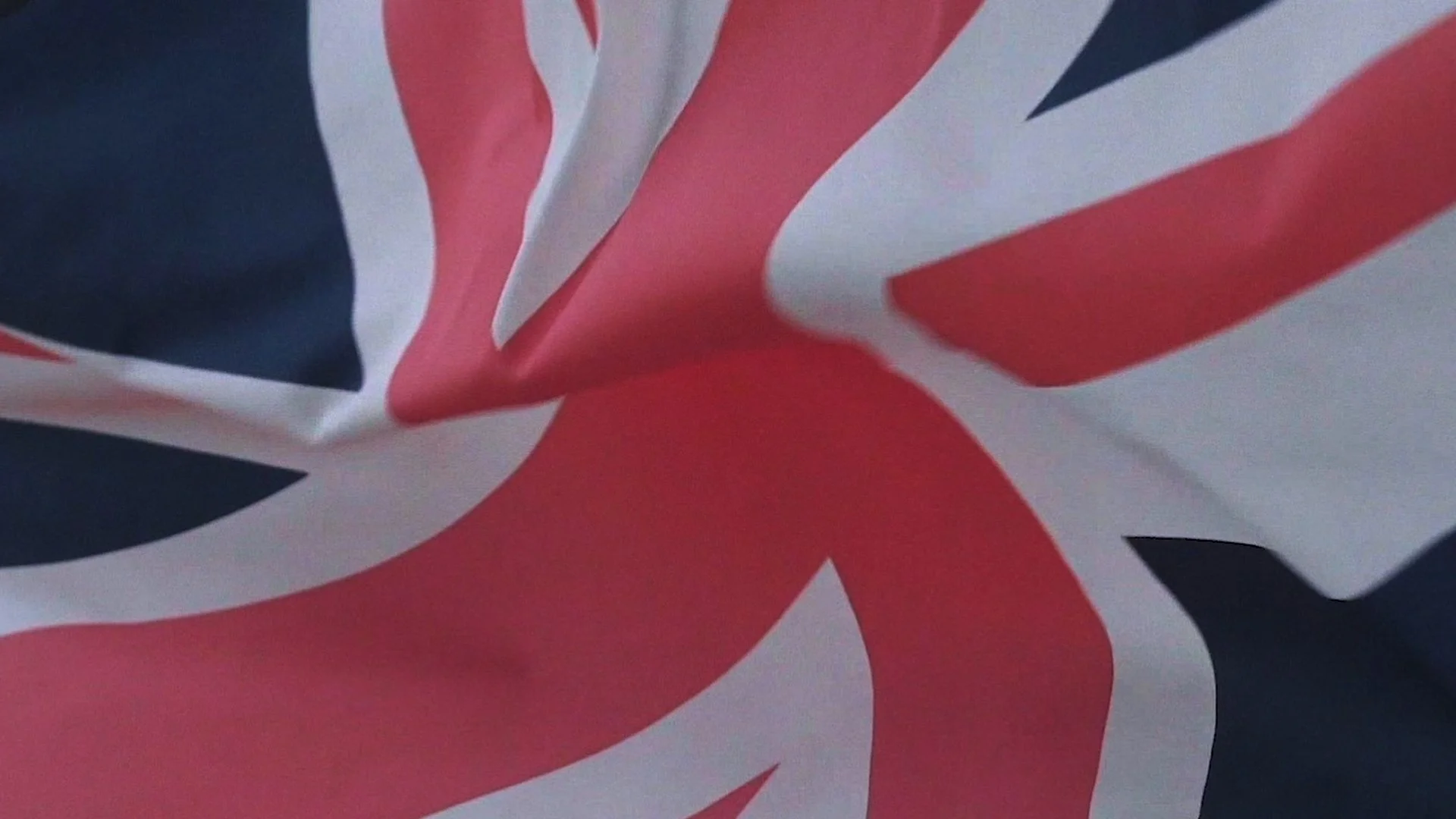
A collaborative short documentary capturing a mosaic of voices across the UK, exploring what it means to be British at a defining moment in the nation’s history.
Being British


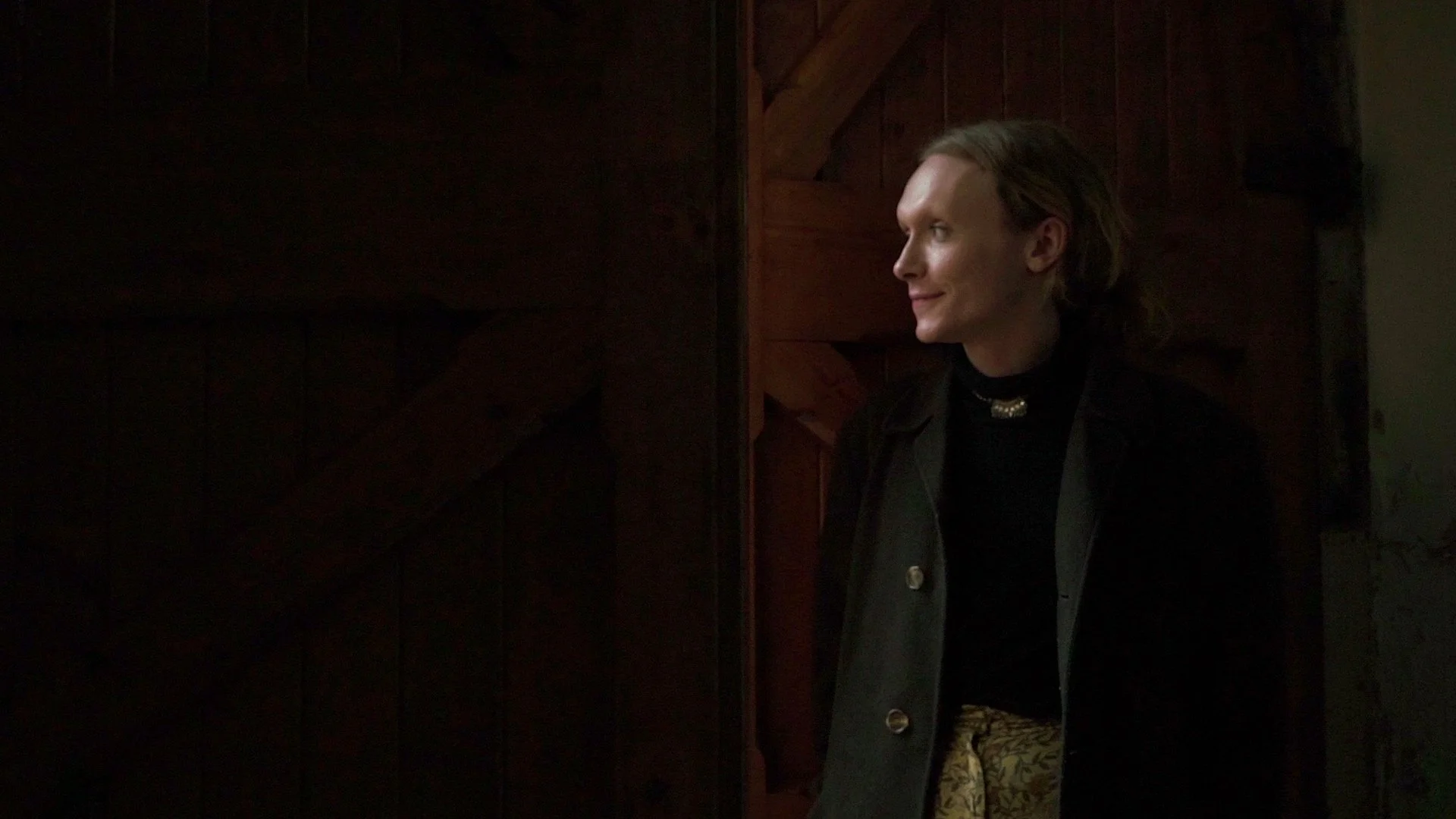
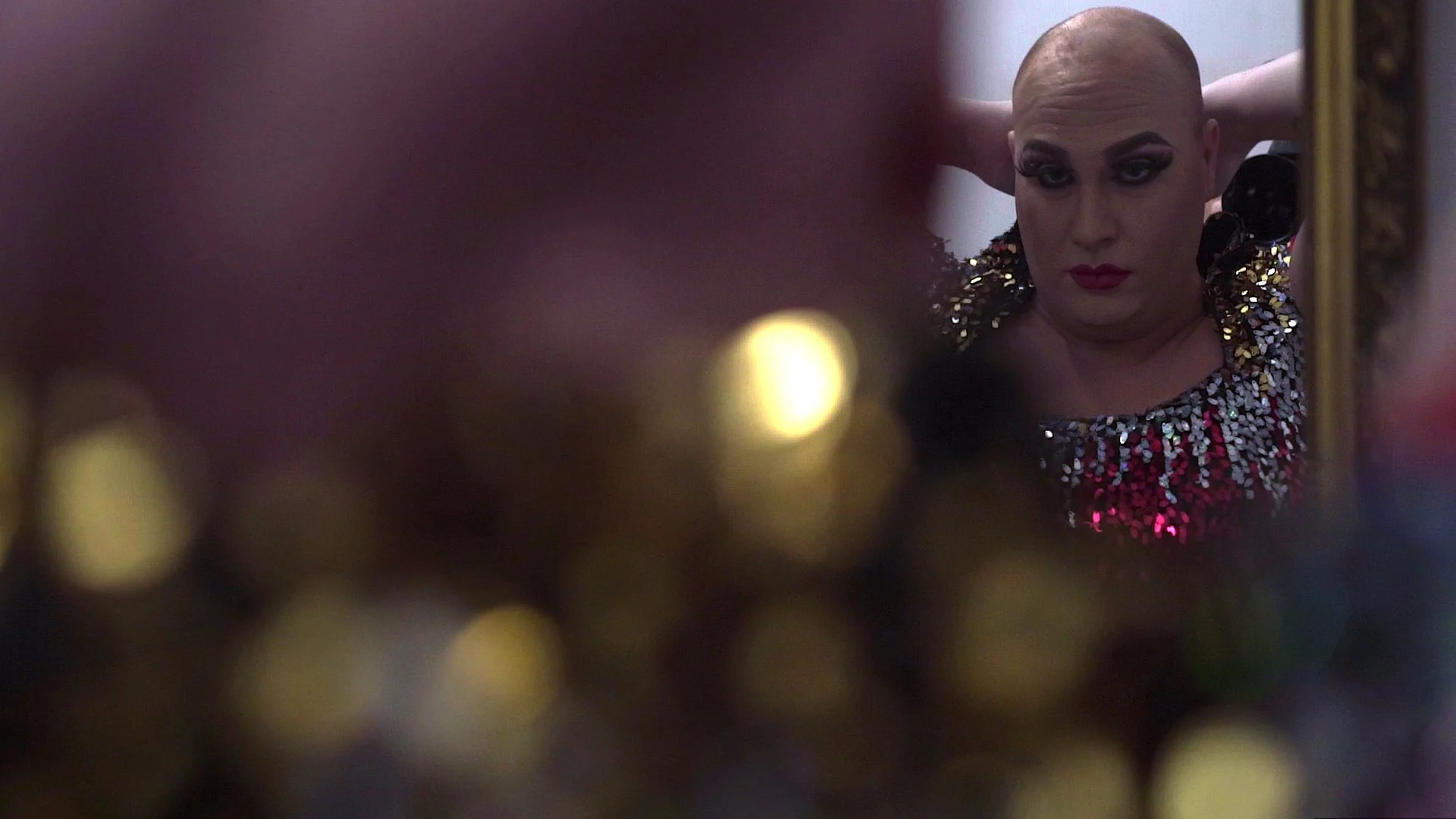

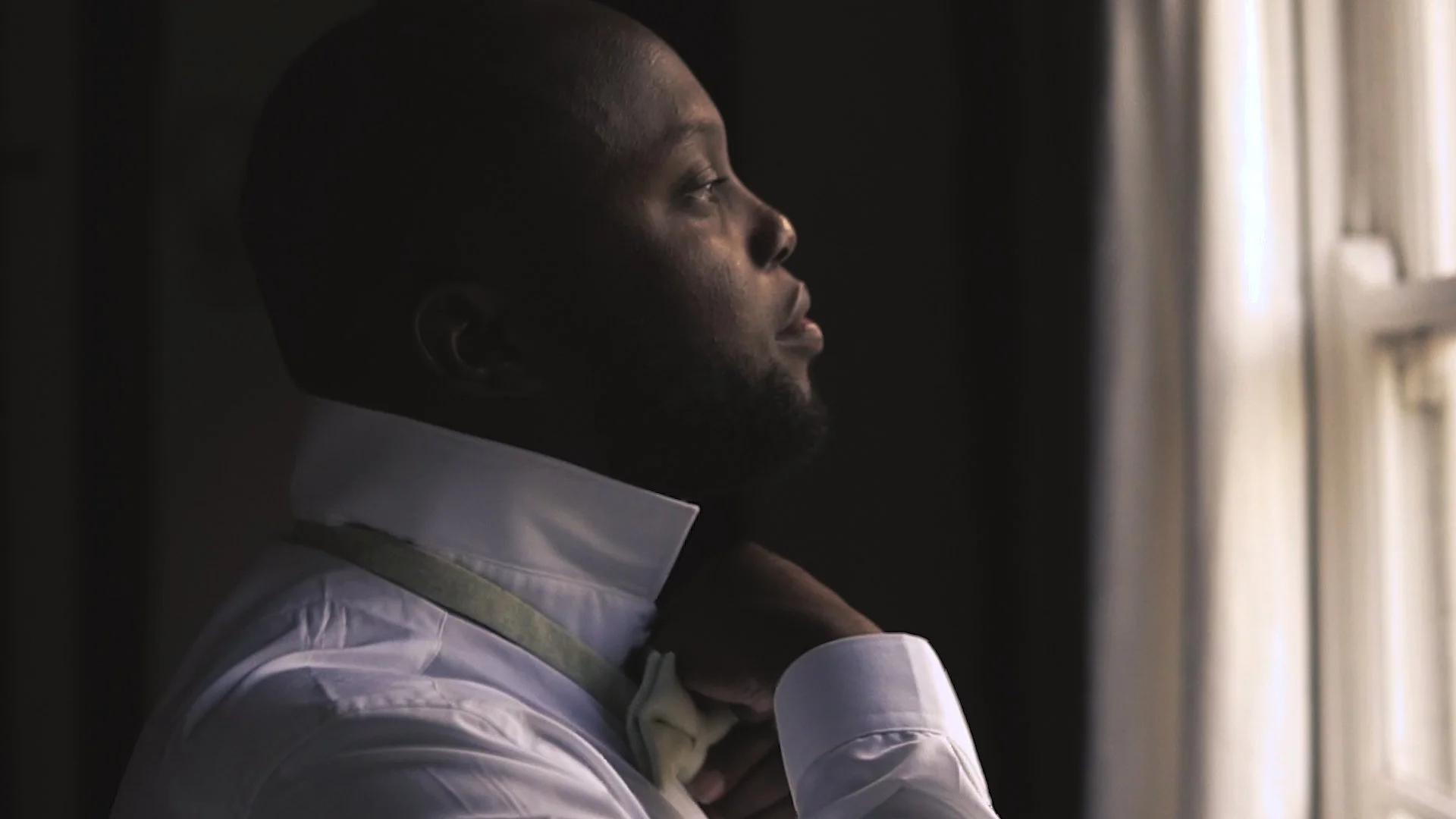
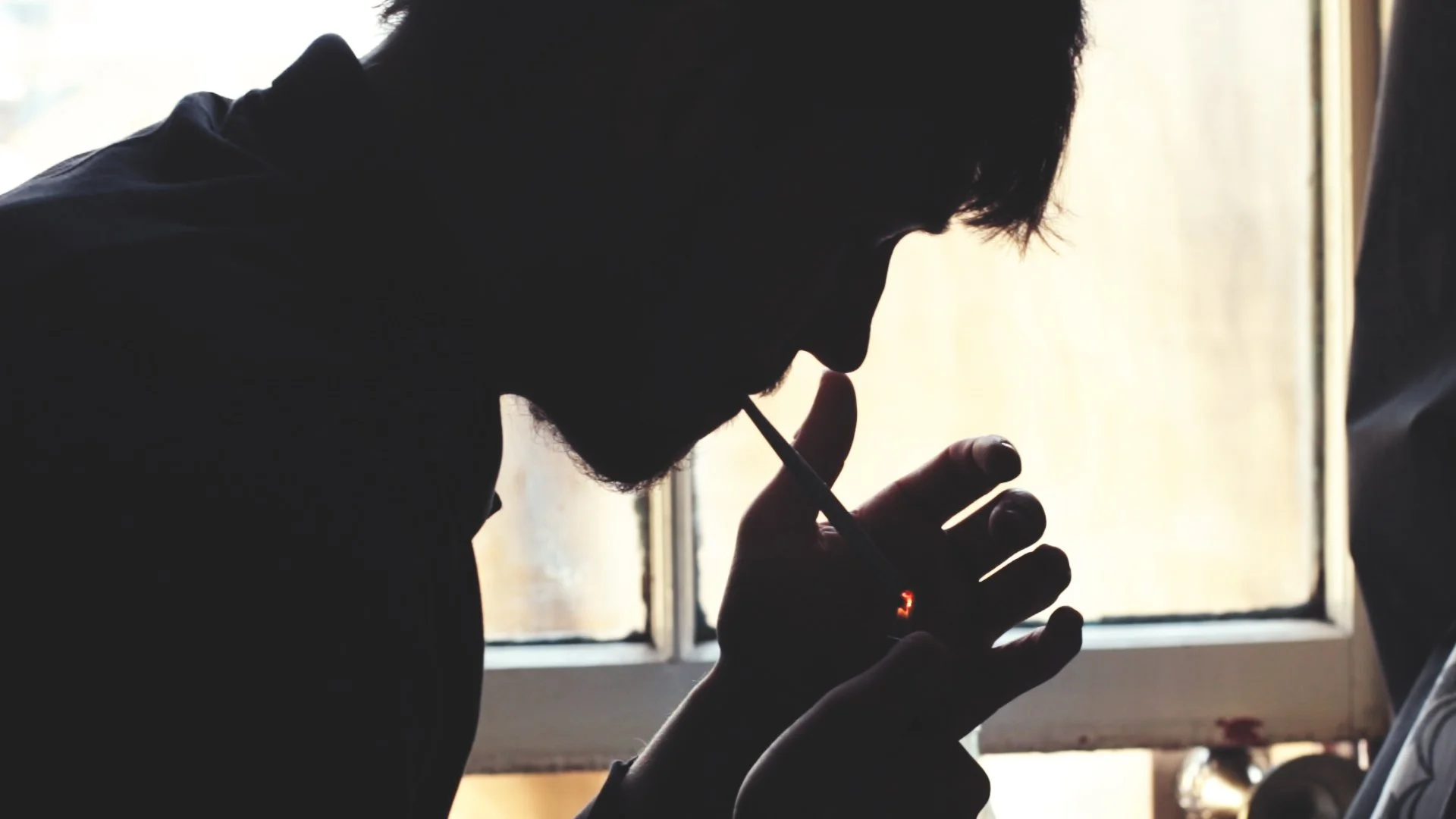


ABOUT
LOCATION: Great Britain
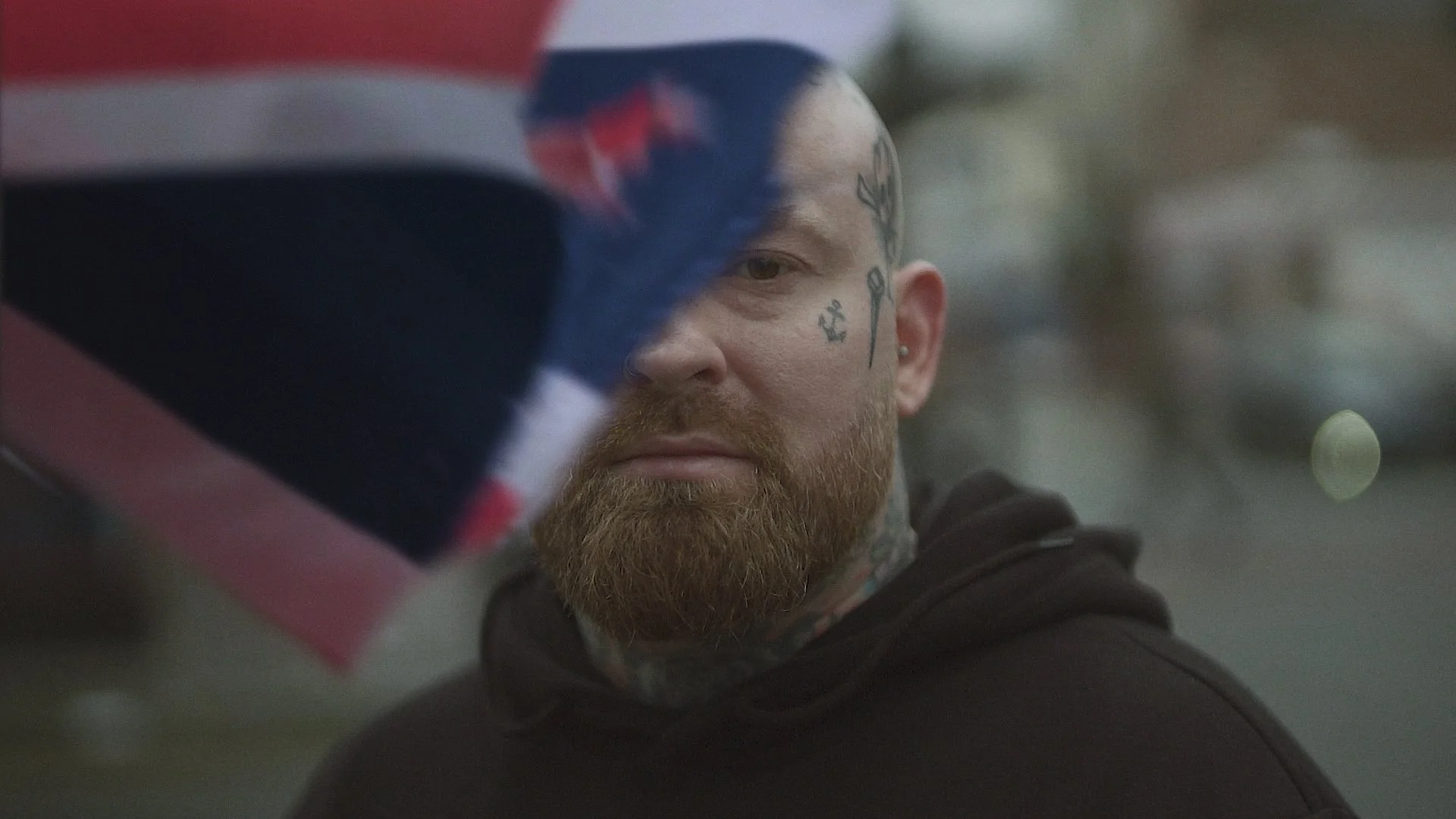
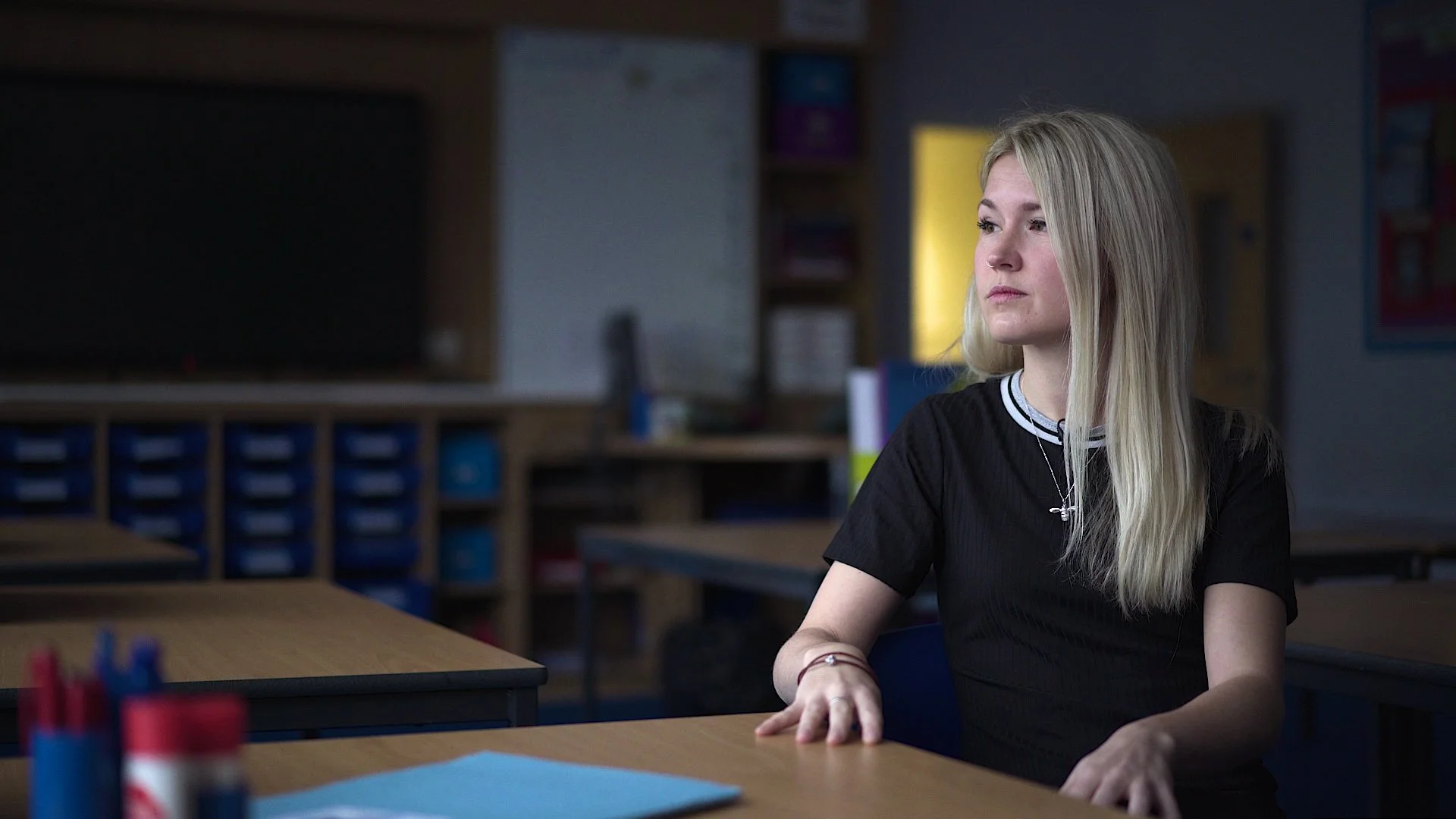
Being British is an independently produced short-form documentary that brings together a wide range of perspectives from across Great Britain, asking a simple but complex question: ‘What does it mean to be British?’
Created in 2019 during a period of social, cultural, and political uncertainty, the film acts as a time capsule—capturing the atmosphere of a nation in reflection.
At its core, this film was created using a decentralised approach to storytelling, with dozens of filmmakers from across Great Britain, coming together to contribute a cinematic portrait from within their own community.
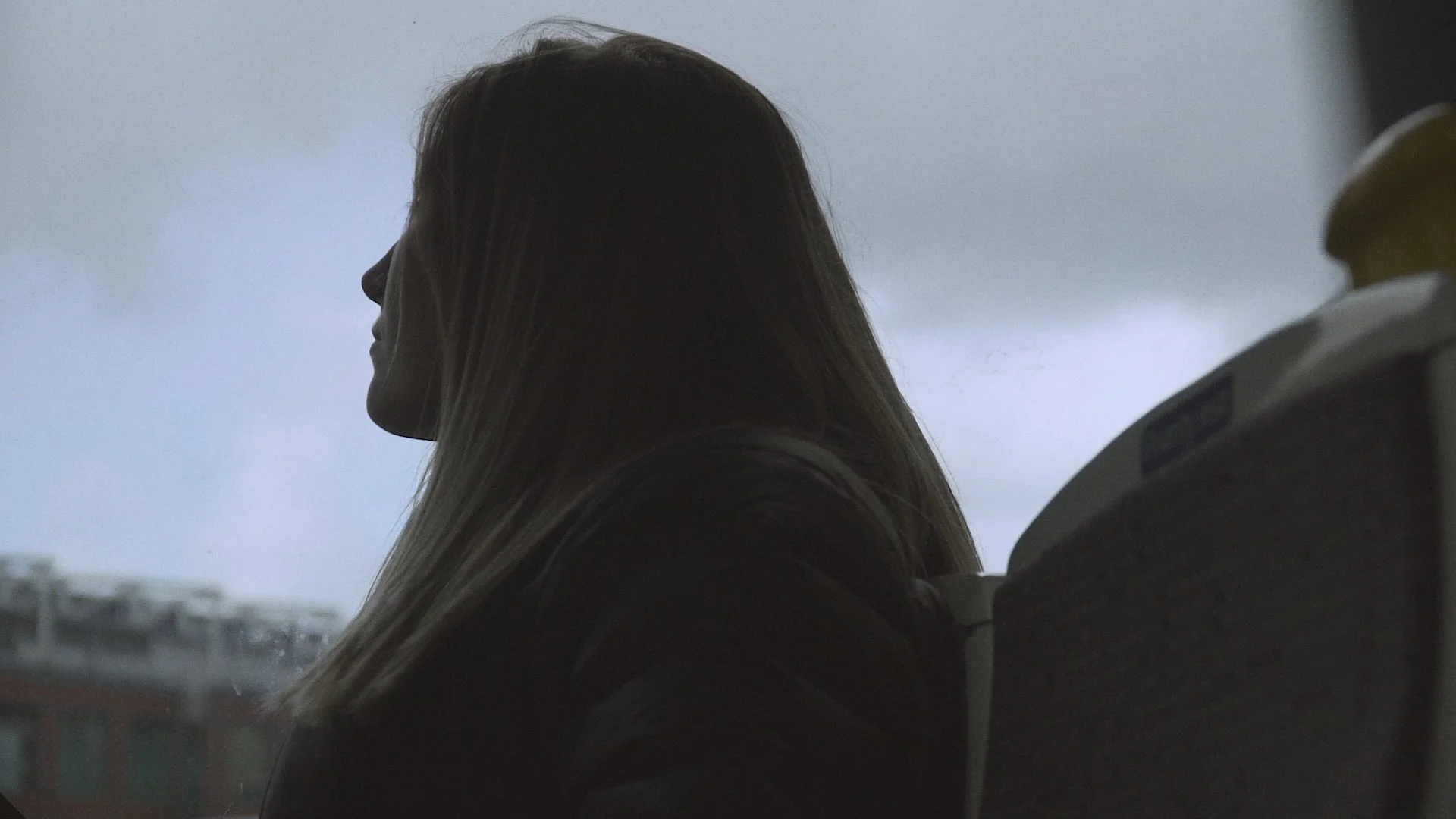
These individual voices—diverse in background, opinion, and lived experience—are woven together into a collective narrative that resists definition.
Rather than offering a single answer, the film embraces contradiction, nuance, and multiplicity, presenting British identity as something fluid, contested, and deeply personal.
Through a montage-driven structure, Being British becomes less about conclusion, and more about observation—an honest snapshot of a country attempting to understand itself in real time.


“I’m just another human being, living in Great Britain, trying to have some purpose here...”
Personal Reflection
This film came from a feeling I couldn’t quite shake at the time.
There was a sense that the country was trying to define itself, often in very loud, polarised ways—but very little space was being given to quieter, more personal reflections.
I didn’t feel like I had the answer to what it means to be British, and that was exactly the point. Instead of trying to impose a perspective, I wanted to open up the question and let people answer it for themselves.
The only way to do that honestly was to step back. Bringing together filmmakers from across the country allowed the film to exist beyond my own viewpoint. It became something more distributed—more reflective of the country itself. Each contributor brought their own lens, their own community, their own sense of what mattered.
What emerged was something I couldn’t have constructed alone. A patchwork of perspectives that didn’t always align, but felt true in their differences. That tension—between unity and division, certainty and uncertainty—is what gives the film its meaning.
Looking back, it feels like a document of a very specific moment in time, but also something more enduring. The question hasn’t gone away. If anything, it’s become more complex.
And maybe that’s the point—there isn’t a single answer. There never was.